
Retrospective usage
Exotica, space-age pop, and some forms of easy listening music popular during the 1950s and 1960s are now broadly termed lounge. The term lounge does not appear in textual documentation of the period, such as Billboard magazine or long playing album covers, but has been retrospectively applied.
While rock and roll was generally influenced by blues and country, lounge music was derived from jazz and other musical elements borrowed from traditions around the world.
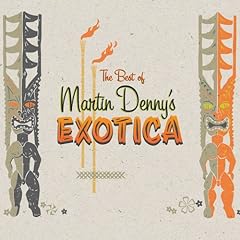
Exotica from such artists Les Baxter, Martin Denny and Arthur Lyman sold millions of records during its heydey. It combined music that was popular outside the USA, such as various Latin genres (e.g., Bossa Nova, Cha-Cha-Cha, Mambo), Polynesian, French, etc. into a relaxed,[2] palatable sound. Such music could have some instruments exaggerated (e.g., a Polynesian song might have an exotic percussion arrangement using bongos, and vocalists imitating wild animals.) Many of these recordings were portrayed as originating in exotic foreign lands, but in truth were recorded in Hollywood recording studios by veteran session musicians. Another genre, space age pop, mimicked space age sound effects of the time and reflected the public interest in space exploration. With the advent of stereophonic technology, artists such as Esquivel used spatial audio techniques to full effect, creating whooshing sounds with his orchestra.
A good deal of lounge music was pure instrumental (i.e., no main vocal part, although there could be minor vocal parts). Sometimes, this music would be theme music from movies or TV shows, although such music could be produced independently from other entertainment productions. These instrumentals could be produced with an orchestral arrangement, or from an arrangement of instruments very similar to that found in jazz, or even rock and roll such as the Hammond Organ or electric guitar.


2 comments:
excellent overview, and perhaps worth a footnote to mention the early works of Herman 'Sonny' Blount in Chicago, known to this world as Le Sony'r Ra and best known under his stage-name Sun Ra. Sonny was a great fan of Les Baxter and sought to merge elements of Baxter's exotica with applied afro-futurist philosophies in a bluesier hard-core big-band swing sound a la Fletch or Ellington.
As Sonny was among the first to own and operate his own recording press (something the aging and unemployed Les likely wished he'd done) the Sun Ra Arkestra released literally hundreds of recordings and many excellent examples of the Chicago years abound on CD, in particular (for exotica fans) check out Sound Sun Pleasure (1953), Sun Ra Visits Planet Earth (1956), Sun Song (1956) or Sound of Joy (1957)
Mr. G. Thank you for your visit. Daily put information about lounge music and of course mention the name Sony, a major contributor to the musical genre. Visit us every day!
Post a Comment